
hTERT Activation – Telomere Extension & Longevity
Understanding Telomeres
and Cellular Aging
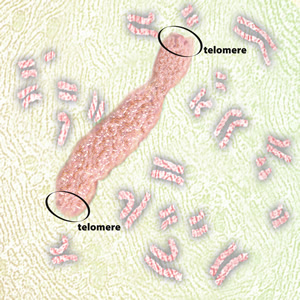
Telomeres are protective caps at the ends of chromosomes that shorten with every cell division. They act as one of the primary biological clocks of aging. When telomeres become critically short, cells enter senescence or die, contributing to tissue aging, reduced regeneration, and age-related diseases.
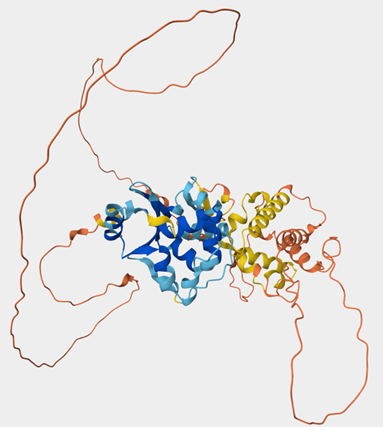
hTERT (human Telomerase Reverse Transcriptase) is the catalytic subunit of the telomerase enzyme. It lengthens telomeres, effectively reversing cellular aging at the molecular level. In most adult somatic cells, hTERT is inactive, leading to progressive telomere shortening. However, it remains highly active in stem cells and spermatogonia, where it maintains cellular youth and regenerative capacity.
Reactivating hTERT is considered one of the most promising approaches in longevity research. By extending telomeres, cells can continue dividing while staying biologically younger — a technique already used as standard practice to immortalize research cell lines.
The Role of hTERT
Increasing hTERT expression can restore telomerase activity, lengthen telomeres, improve cellular function, and potentially slow or reverse aspects of biological aging. We believe targeted activation of hTERT represents a foundational strategy for extending healthspan and promoting longevity.
Our Research Approaches for hTERT Activation
We are advancing two powerful strategies to reactivate hTERT:
AAV Gene Therapy
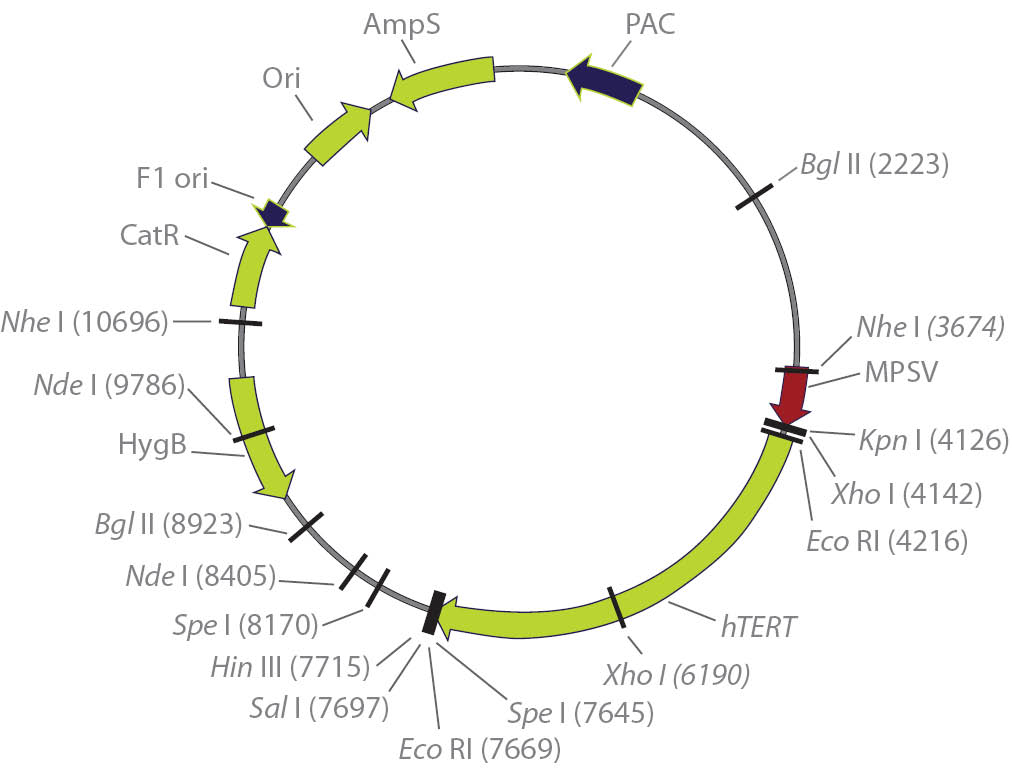
We are developing Adeno-Associated Virus (AAV) vectors that deliver the hTERT gene directly into cells. This approach enables long-term production of telomerase, helping to maintain telomere length in living organisms.
This is widely regarded as a gold-standard method in longevity biotechnology.
High-Throughput Screening (HTS)
for Small-Molecule Activators
Using our advanced GFP-based promoter-reporter assays in human cell cultures, we screen large compound libraries to discover natural and synthetic molecules that strongly activate hTERT gene expression.
Partnership Opportunities
We offer licensing of discovered compounds, custom research, and technology transfer for all three approaches.
HTS Screening Project: Start at $40,000 – $150,000 + 5% royalty
Gene Therapy Development: Custom pricing (typically $1M – $2M) + 5% royalty
Full technology transfer and offshore lab setup available
Head Office
Tampa
Florida, US
Call Now
312-730-2562
786-307-1256
Email Us
dr.nikolic@ufl.edu