

IL-17A Inhibition – Chronic Inflammation
Understanding IL-17A
and Chronic Inflammation
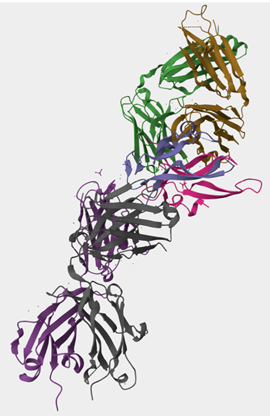
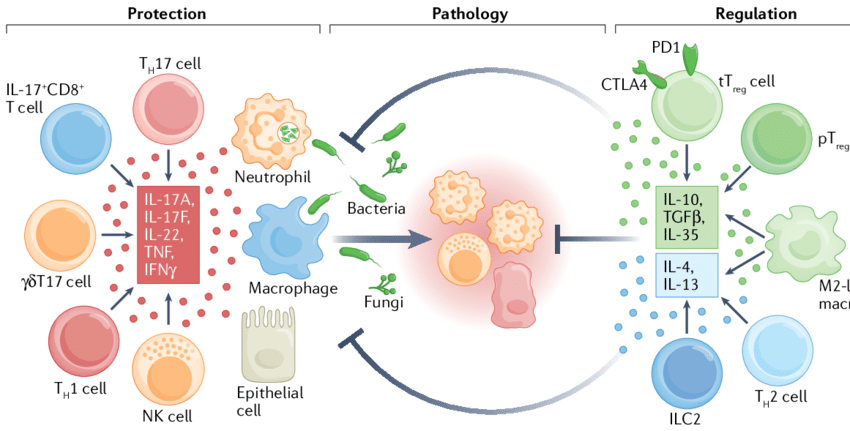
IL-17A (Interleukin-17A) is a powerful pro-inflammatory cytokine produced by immune cells. It plays a central role in the body’s inflammatory response by recruiting immune cells and triggering the release of additional inflammatory mediators.
While IL-17A is important for fighting certain infections, excessive or chronic activation of IL-17A is strongly linked to many autoimmune and inflammatory conditions, including psoriasis, rheumatoid arthritis, inflammatory bowel disease, ankylosing spondylitis, and multiple sclerosis. Persistent high levels of IL-17A drive systemic low-grade inflammation, tissue damage, and contribute to numerous age-related and chronic diseases.
Inhibiting IL-17A has already proven highly successful in several approved biologic drugs, validating it as a key therapeutic target for reducing harmful inflammation.
The Role of IL-17A Inhibition
By inhibiting IL-17A expression or activity, we can significantly reduce chronic inflammatory signaling.
This approach has strong potential to:
+ Lower systemic inflammation
+ Protect tissues from immune-mediated damage
+ Improve symptoms in autoimmune and inflammatory conditions
+
Support healthier aging by reducing inflammaging
Our Research Approach
We are focusing on the discovery of novel IL-17A inhibitors using our proprietary platform:
High-Throughput Screening (HTS)
for Small-Molecule Inhibitors
Using our advanced GFP-based promoter-reporter assays in human cell cultures, we screen thousands of natural and synthetic compounds to identify potent inhibitors of IL-17A gene expression.
This enables us to discover new nutraceutical or pharmaceutical candidates that can effectively suppress IL-17A-driven inflammation with potentially better safety profiles or complementary mechanisms.
Partnership Opportunities
We offer licensing of discovered compounds, custom research, and technology transfer for all three approaches.
HTS Screening Project: Start at $40,000 – $150,000 + 5% royalty
Gene Therapy Development: Custom pricing (typically $1M – $2M) + 5% royalty
Full technology transfer and offshore lab setup available
Head Office
Tampa
Florida, US
Call Now
312-730-2562
786-307-1256
Email Us
dr.nikolic@ufl.edu